Dog Friendly Wineries in Margaret River: How to Plan a Day With a Dog (2026)
A dog on the back seat changes every part of a tasting day, from which cellar doors you can even walk into to what happens to the car while you are inside. The heat is the part people underestimate.
Short answer
Many Margaret River cellar doors welcome dogs in their outdoor lawns and gardens on a lead, but policies vary and indoor tasting rooms and restaurants usually do not. Check each venue directly. The bigger issue is the car: a dog cannot be left in it on a warm day, which is why some visitors leave the dog at pet-friendly lodging and take a driven tour instead.
The trouble starts in the car park. You have found a cellar door that lets dogs onto the lawn, the tasting is going well, and then it is time for the next stop, which means the dog is back in a car warming up in the sun. In a region where summer highs sit near 30 degrees, that single logistical fact quietly shapes the whole day. Dog-friendly wineries are real and there are plenty of them, but touring a spread-out wine region with a dog is a different exercise from doing it without one.
This guide sets out what dog access at a cellar door actually looks like, why the climate makes the parked car the central problem, and how to weigh a self-drive with the dog against leaving it safely at your accommodation and taking a driven tour. Policies vary, so confirm them with each cellar door directly before you go.
What does dog friendly mean at a Margaret River cellar door?
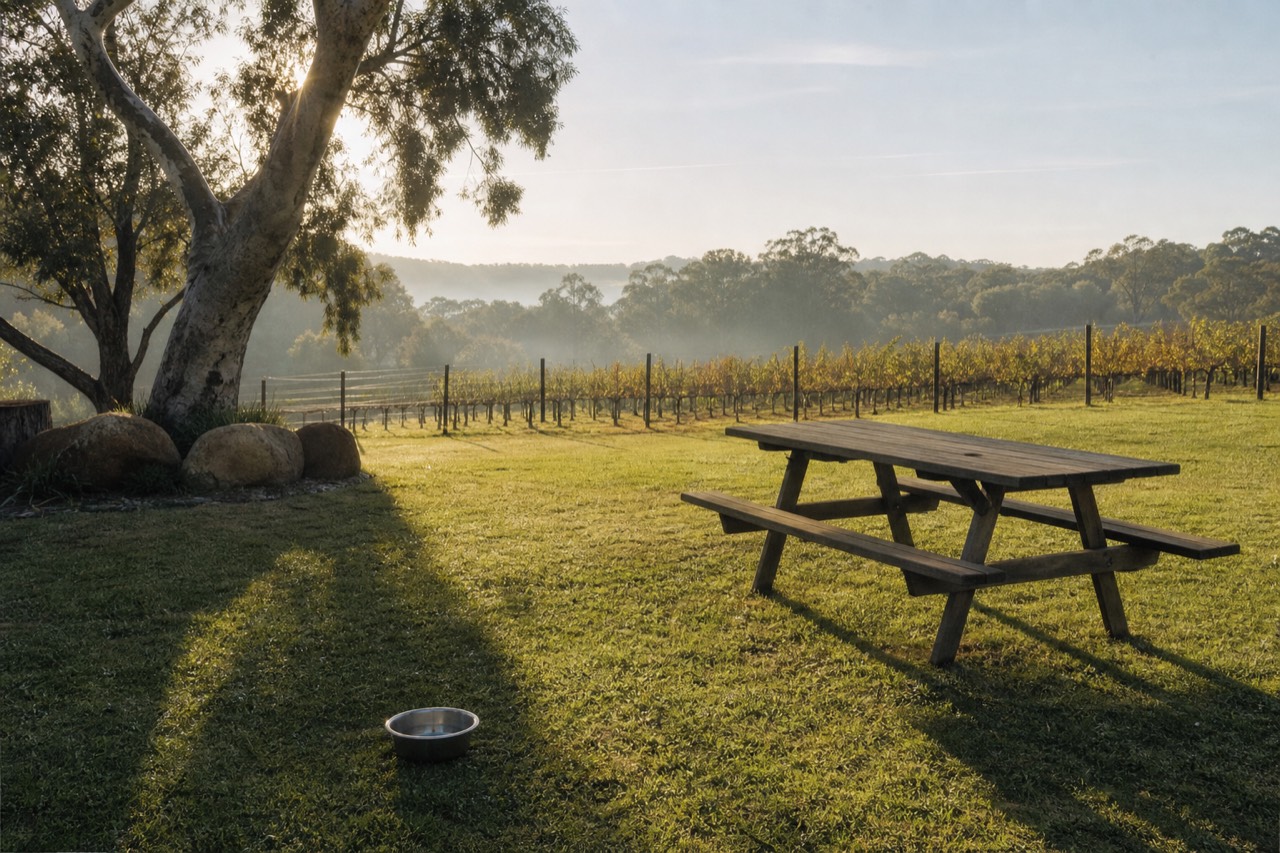
Dog friendly here almost always means outdoors on a lead: lawns, gardens, courtyards and picnic areas, not the indoor tasting bench or the restaurant. Many cellar doors across the region have generous grounds that suit this, but there is no blanket regional rule, so each venue sets its own policy and you should check before you arrive.
The South West is an outdoorsy, relaxed part of Western Australia, and a lot of cellar doors are built around lawns and vineyard views where a well-behaved dog on a lead fits in naturally. That is the good news. The catch is the boundary between outside and inside. Health rules keep dogs out of indoor dining and most tasting rooms, so the realistic picture is a dog stretched out on the grass while you take a flight to an outdoor table, weather permitting. Assistance and guide dogs are a separate matter and are permitted everywhere by law.
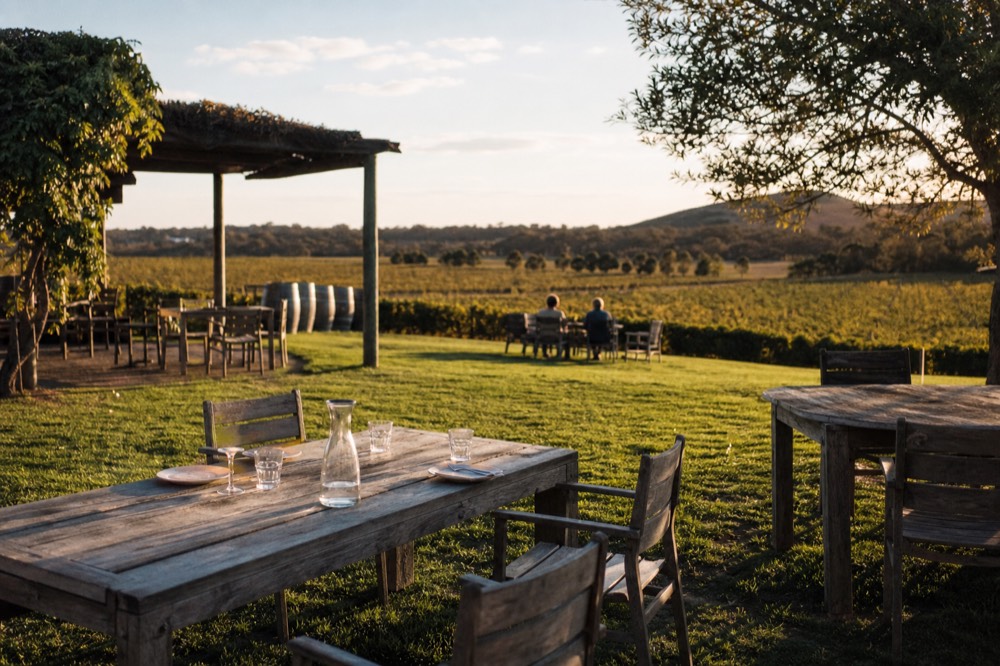
Because policies change with seasons, staffing and events, the reliable move is to ring ahead or check the venue's current listing rather than trust an old blog. The official regional tourism site is the best starting point for pet-friendly venues and stays, and a quick call confirms whether dogs are welcome on the day you plan to visit. Treat any specific claim about a named winery's dog policy with suspicion unless it comes from the venue itself.
| Area of a cellar door | Typical dog access | Notes |
|---|---|---|
| Outdoor lawn or garden | Often welcome, on a lead | Weather-dependent; the main option |
| Courtyard or picnic area | Frequently allowed | Bring water and shade |
| Indoor tasting room | Usually not | Health and food rules |
| Restaurant or dining room | Almost never | Assistance dogs excepted |
| Assistance and guide dogs | Permitted by law everywhere | Applies region-wide |
Which wineries are best for visiting with a dog?
The best cellar doors for a dog are the ones with big, shaded outdoor areas and a relaxed picnic culture, rather than any specific famous name. Rather than trust a fixed list, filter for venues that advertise dog-welcome lawns and confirm directly, because a policy that held last season can change. The regional tourism listings are the honest place to check current status.
It is tempting to want a ranked list of dog-friendly cellar doors, and plenty of sites will hand you one. The problem is that these lists go stale fast, and a venue that welcomed dogs two summers ago may have changed its rules after a busy season or a new restaurant fit-out. The trustworthy approach is a filter, not a fixed roster: look for cellar doors with lawns, gardens and outdoor tables, then confirm the current policy with the venue before you commit your day to it.
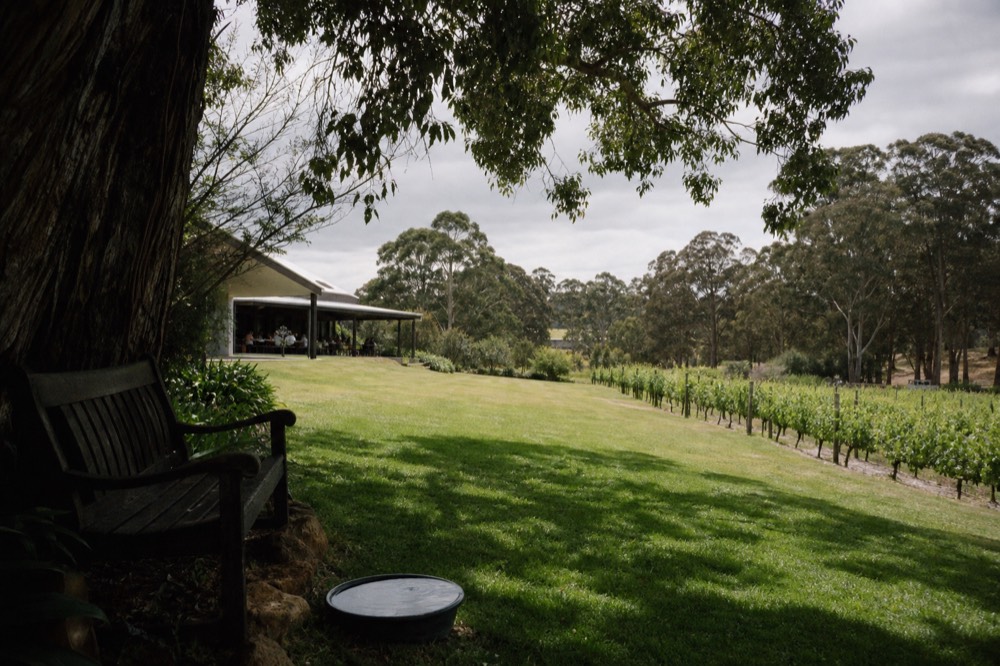
There is a planning reason this matters beyond courtesy. The cellar doors sit 10 to 25 minutes apart along rural roads, so a dog day is a series of short drives between outdoor stops, and every leg puts the dog back in the car. That reality caps how many venues you can sensibly visit with a dog aboard, usually two or three rather than the four or five a driven tour reaches. For the fuller picture of how the cellar doors cluster, the breakdown of the best wineries to tour around maps which sit closest together.
If your heart is set on a full day of serious tasting, the honest truth is that a dog and a tasting circuit pull in opposite directions. That is the tension the rest of this guide is really about.
Why the car is the real problem, not the wineries
The Mediterranean climate is the deciding factor. Summer highs sit around 29 to 30 degrees, and a parked car heats far above the outside air within minutes, which makes leaving a dog in the vehicle between cellar doors genuinely dangerous. Even a mild autumn day in the sun is enough to overheat a car, so the parked-car gap between stops is the problem to solve, not the venues themselves.
People plan the dog-friendly lawns and forget the transitions. Between two outdoor cellar-door tables sits a drive, a car park, and the moment you want to pop inside to pay or use the restroom. On a warm day none of that is safe with a dog shut in the car, and Margaret River summers are warm and dry by design. The interior of a parked vehicle can climb well past the outside temperature in a short time, which turns even a quick stop into a hazard.
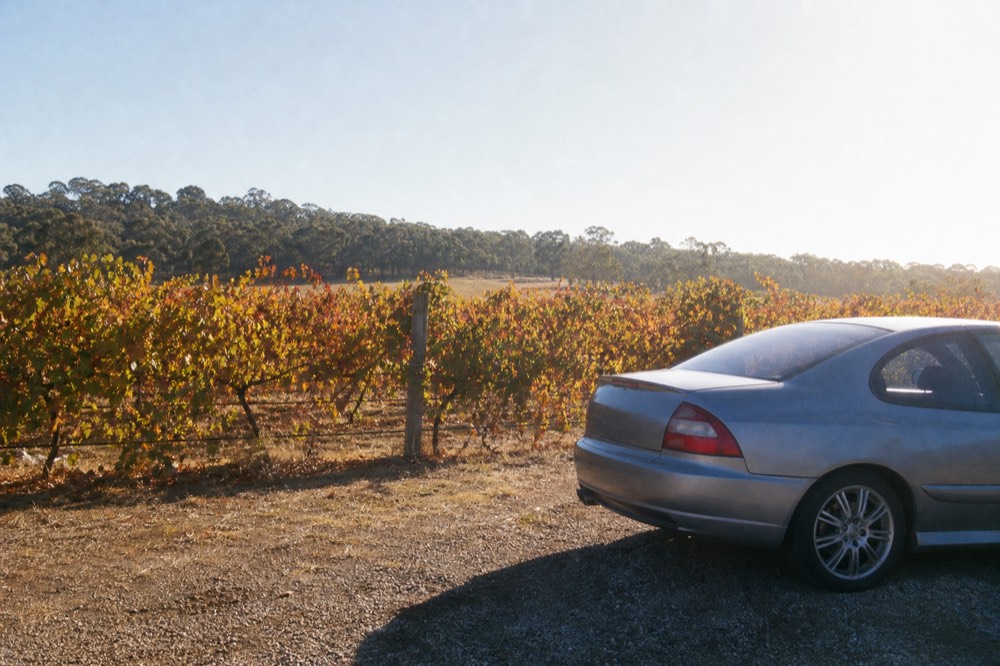
This is why the season you visit changes the calculation. Autumn, March to May, brings milder highs of 20 to 27 degrees and is the best touring window anyway, while winter is cooler still. Peak summer, December to February, is the hardest time to tour with a dog for exactly this reason. Whatever the month, the rule holds: a dog never waits in the car, which means either the dog comes to every outdoor stop with you and someone stays sober to drive, or the dog spends the day somewhere cool and safe while you tour properly.
| Season | Typical highs | Touring with a dog |
|---|---|---|
| Summer (Dec to Feb) | 29 to 30 C | Hardest; hot-car risk is highest |
| Autumn (Mar to May) | 20 to 27 C | Best window, still watch the sun |
| Winter (Jun to Aug) | 17 to 18 C | Coolest, but shorter cellar-door hours |
| Spring (Sep to Nov) | 17 to 24 C | Mild, warming later in the day |
Self-drive with the dog, or take a tour without it?
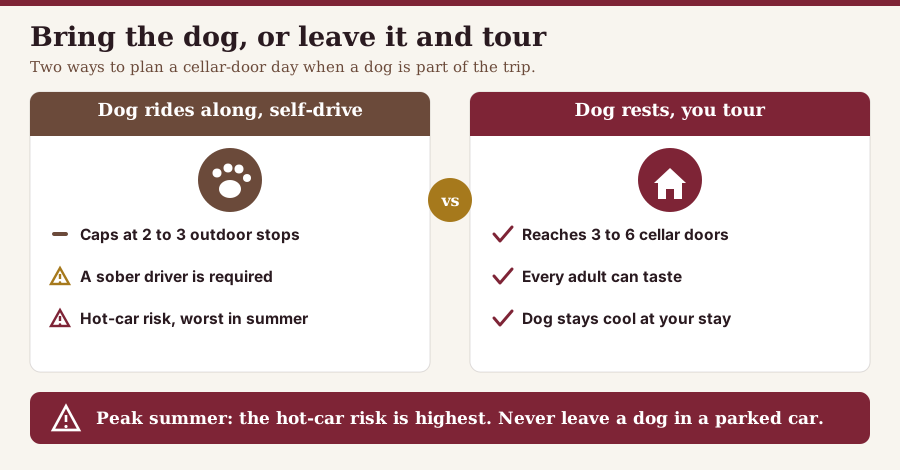
With a dog aboard, self-driving means one person stays sober to drive and you limit yourself to a couple of dog-welcome outdoor stops. The alternative is to leave the dog in cool, safe, pet-friendly accommodation for the day and join a driven tour, so both of you have a good day: the dog rests, and every adult gets to taste without a designated driver.
Here is the trade-off stated plainly. If the dog comes, someone has to drive, which means that person tastes little or nothing, and Western Australia's drink-driving rules leave no room for a generous designated driver. The full-licence blood-alcohol limit is 0.05, dropping to zero for learner and provisional drivers, so the driver of a dog-laden car is effectively a non-drinker for the day. You also cap the day at the outdoor venues that welcome dogs, and you are managing the parked-car problem at every stop.
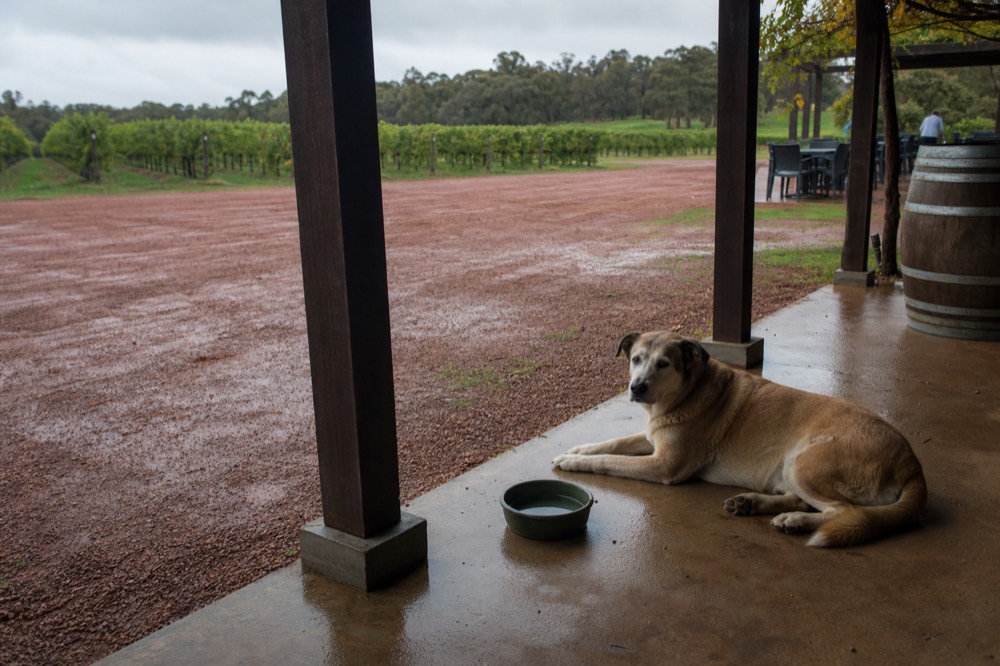
The other route treats the dog's day and your day as separate problems, each solved well. The dog stays somewhere cool at your pet-friendly stay, and you join a tour where the driving, the route and the tasting stops are handled. That way nobody is the designated driver, the group visits three to six cellar doors rather than two, and the dog is never near a hot car. A small-group day that picks up from Margaret River and nearby accommodation fits this neatly, collecting you from the same base where the dog is resting.
| Consideration | Self-drive with the dog | Leave the dog, take a tour |
|---|---|---|
| Who drives | One sober adult all day | Nobody in your group |
| Cellar doors reached | 2 to 3 outdoor venues | 3 to 6, indoors and out |
| The parked-car problem | Constant, at every stop | Removed entirely |
| Everyone tastes | No, the driver cannot | Yes |
| Best for | A cool day, a short loop | A full tasting day |
Where the dog stays while you tour
The practical answer is pet-friendly accommodation. The region has a good supply of dog-welcoming stays, from cottages to vineyard-adjacent houses, where a dog can spend the day comfortably indoors or in a secure yard. Some visitors also use local doggy daycare or a pet sitter for the day. Book the pet-friendly stay first, then plan the tour around it.
A dog resting in a cool cottage with water and its own bed is having a far better day than one shuttling between hot car parks. That is the honest comparison. The region's supply of pet-friendly accommodation makes this straightforward, and basing yourself in or near Margaret River town, Cowaramup or Dunsborough puts you inside the pickup radius of the local tours, which collect from accommodation rather than from the city. For choosing a base that suits both of you, the guide to stay-on-vineyard and estate accommodation sets out the options.
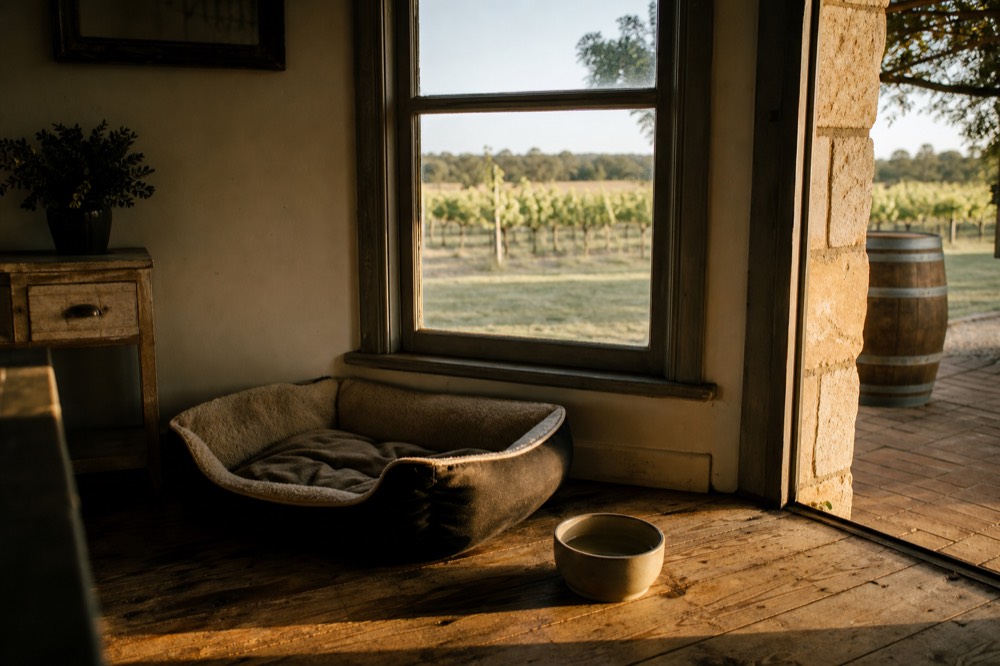
Daycare and sitters are the other option, useful if your accommodation does not allow a dog to be left alone for a full day. Either way, the tour you pick should collect from and return to the same base, so you are back with the dog by early evening. A relaxed nine-hour day with lunch and tastings included, picking up from Busselton, Margaret River and Dunsborough, is the straightforward first pick for exactly this plan.
| Where the dog spends the day | What it needs | Best for |
|---|---|---|
| Cool pet-friendly accommodation | A dog allowed to be left, water, shade | Most visitors |
| Local doggy daycare | A booking, vaccination records | Dogs that dislike being alone |
| A pet sitter at your stay | Someone to come to the property | Anxious or older dogs |
| A secure yard at the stay | Shade, water, safe fencing | Confident, settled dogs |
What a dog-inclusive day actually costs and involves
A dog-inclusive self-drive costs fuel plus tasting fees of roughly A$10 to A$20 a flight, and it costs you a designated driver. Leaving the dog at pet-friendly lodging and touring adds the tour fare and the room, but bundles the tastings, the driving and lunch into one day. Weigh the sober-driver sacrifice against the extra booking.
The money is only half the comparison. On a self-drive, the standard tasting fee runs A$10 to A$20 for a flight of five or six wines, usually waived if you buy a bottle, and Australia does not run on tipping. Those fees add up across a few venues, and the hidden cost is the adult who cannot drink. A tour rolls the tasting stops, the driver and often lunch into the fare, and frees every adult to taste. The rundown of what a tasting day costs lays the fees out in full.
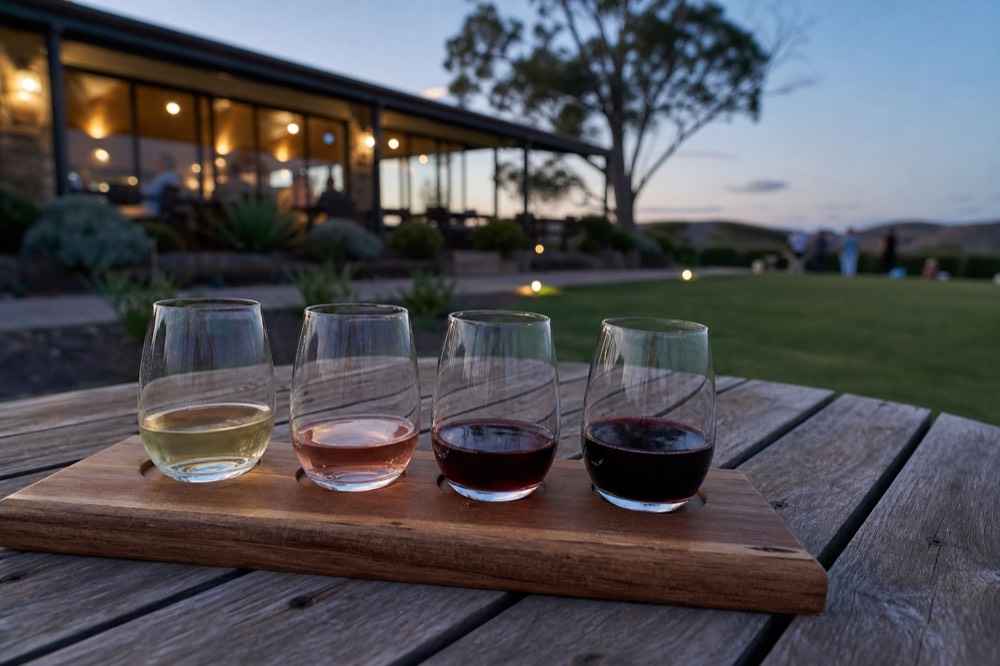
For return visitors who have already done the classic circuit, a boutique day off the big-name trail can make the time away from the dog feel worth it. A six-hour boutique day that opens with a blind tasting and works through smaller cellar doors with lunch included is one such option, the kind of relaxed day a dog-laden self-drive cannot match. Whichever way you go, the dog's welfare sets the outer limits of the plan.
| Cost or factor | Self-drive with the dog | Leave the dog, take a tour |
|---|---|---|
| Tasting fees | A$10 to A$20 per flight, per person | Usually bundled into the fare |
| Fuel or fare | Own fuel across rural roads | One tour price |
| Lunch | Own cost, outdoor tables only | Often included |
| The hidden cost | One sober driver all day | The room plus the fare |
| Dog's day | Hot car parks between stops | Cool, safe, resting at the stay |
Planning the day around your dog
Decide first whether the dog joins the day or rests at the stay, because that choice sets everything else. If the dog joins, pick two or three dog-welcome outdoor cellar doors, appoint a driver, and go only in cooler weather. If the dog rests, book pet-friendly lodging and a local tour that picks up from it, and enjoy a full circuit.
The visitors who have the best time are the ones who make this call honestly at the start. A dog on the lawn of a couple of relaxed cellar doors on a mild autumn afternoon, with a sober driver, is a lovely low-key day. A full flight-tasting circuit through four or five venues is not that day, and pretending otherwise is how dogs end up in warm cars. Match the ambition to the dog.
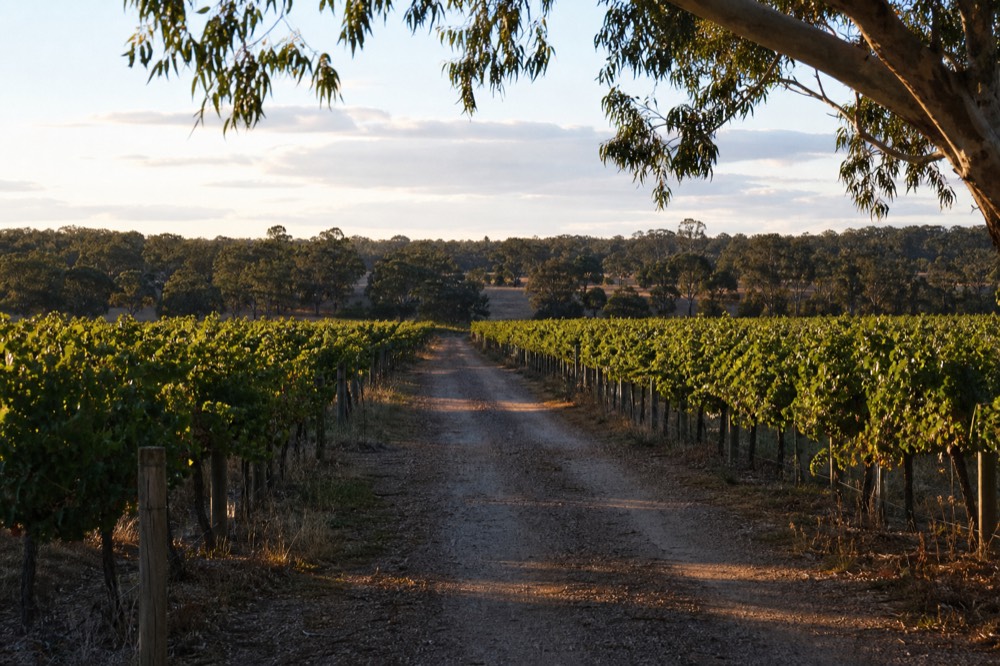
When you want the fuller experience, several producers, a proper lunch and no designated driver, the cleaner solution is a driven day while the dog rests at your pet-friendly base. That is the whole point of these Margaret River wine day tours: the driving, the route and the tasting stops are somebody else's job, and you are back with the dog by evening having actually tasted the region. The classic full day is the easiest first pick, and the boutique days suit return visitors.
| Your situation | The honest plan | Why |
|---|---|---|
| One free evening, dog can be left | Pet-friendly stay plus a driven tour | Full day, every adult tastes |
| Mild day, dog must come | Two or three dog-welcome lawns, sober driver | Caps the risk, keeps it low-key |
| Peak summer, dog aboard | Reconsider; the hot-car risk is highest | Safety over ambition |
| Travelling solo with a dog | Daycare plus a tour, or a short lawn loop | Avoids leaving a dog in a car |
| Serious tasting is the priority | Leave the dog, take a tour | Depth needs a driven day |
Common questions
Are there dog-friendly wineries in Margaret River?
Yes, many cellar doors welcome dogs on a lead in their outdoor lawns, gardens and picnic areas, though indoor tasting rooms and restaurants usually do not. Policies vary by venue and can change, so confirm with each cellar door directly before you visit.
Can I bring my dog inside a cellar door or restaurant?
Generally no. Health and food rules keep dogs out of indoor tasting rooms and dining areas, so plan for outdoor tables on the lawn or courtyard. Assistance and guide dogs are permitted everywhere by law and are the exception.
Can I leave my dog in the car between wineries?
No. Margaret River summers reach around 29 to 30 degrees, and a parked car heats well above the outside air within minutes, which is dangerous for a dog. This parked-car gap between stops is the main reason touring with a dog is harder than it looks.
Should I take the dog or leave it and join a tour?
If you want a full tasting day, leave the dog at cool, pet-friendly accommodation and take a driven tour so every adult can taste and nobody drives. If the dog joins, limit the day to two or three dog-welcome outdoor cellar doors with a sober driver, ideally in cooler weather.
Where can my dog stay while I tour?
The region has a good supply of pet-friendly accommodation where a dog can rest comfortably for the day, plus local doggy daycare and pet sitters. Book the pet-friendly stay first, then choose a tour that picks up from and returns to that same base.
Do the tours allow dogs on board?
Shared wine tours are not set up to carry pets, so the practical model is to leave the dog at your pet-friendly stay for the day. That keeps the dog cool and safe while the tour handles the driving and the tasting stops for you.